"Is this FDA approved?" gets asked about skincare constantly online — but India doesn't have an FDA, and even if it did, cosmetics don't get approved the way medicines do, in India or anywhere else. The real answer is more interesting: India regulates cosmetics through a two-track licensing system split between a central body and state authorities, backed by a 1940 law that's been updated as recently as 2020. Here's exactly who does what, and how to actually check if a product on your shelf is playing by the rules.
ℹ️
Upfront honesty: unlike the US FDA, which publishes a live, searchable database of every drug recall (we used it directly for a recent US blog post), India's CDSCO does not publish a consolidated, searchable public registry of every currently valid cosmetic registration or manufacturing licence. So treat any product or blog claiming to have "verified CDSCO approval" for a specific SKU with informed skepticism — what follows is the actual legal framework, not a certificate lookup.
TL;DR — Quick Summary
✓Cosmetics in India are governed by the Drugs and Cosmetics Act, 1940 and the Cosmetics Rules, 2020 — not a separate 'beauty products law'
✓There is no single US-FDA-style approval stamp for cosmetics — India uses a two-track licensing system instead
✓Imported cosmetics need an Import Registration Certificate from CDSCO, acting through the Drugs Controller General of India (DCGI)
✓Domestically manufactured cosmetics need a manufacturing licence from the State Licensing Authority where the factory is based, not from CDSCO directly
✓BIS (Bureau of Indian Standards) and Legal Metrology also touch skincare — quality standards and label/MRP accuracy respectively
✓'CDSCO approved' printed on packaging is a marketing phrase, not an official seal — the real compliance signals are a licence/registration number plus a proper manufacturer or importer address on the label
The Legal Foundation: One Law, Updated for Modern Cosmetics
Cosmetics in India are regulated under the Drugs and Cosmetics Act, 1940 — the same foundational law that governs pharmaceuticals — which defines a 'cosmetic' in Section 3(aaa) as any article meant to be applied to the human body for cleansing, beautifying, promoting attractiveness, or altering appearance. For decades, the detailed rules for cosmetics sat inside the same 1945 Rules used for drugs. That changed with the Cosmetics Rules, 2020, a dedicated rulebook that separated cosmetics out with its own registration forms, manufacturing standards, and ingredient restrictions.
Rule 39 requires cosmetics to meet the standards in the Ninth Schedule of the Rules, or — if a product type isn't listed there — the standards of its country of origin
Rule 36 prohibits misleading claims on cosmetic labels and advertising
A 'negative list' restricts or bans specific ingredients and colourants outright, regardless of where the product is made
Two Regulators, Two Different Journeys to Market
This is the part most people get wrong: CDSCO does not license every cosmetic sold in India. It only handles one half of the system.
Imported cosmetics → CDSCO, via the Drugs Controller General of India
Under Rule 12(1) of the Cosmetics Rules, 2020, no cosmetic can be legally imported into India without registration from the Central Licensing Authority — a role performed by the DCGI, with CDSCO's cosmetics division processing the applications
Registration is filed online through the SUGAM portal using forms like COS-1 (application) and COS-2 (the resulting Registration Certificate), and must specify the exact pack sizes, variants, and manufacturing premises covered
This is a registration and compliance-verification process, not a clinical safety trial the way new-drug approval is — CDSCO checks paperwork, ingredient compliance, and manufacturing-site declarations, not individual formulas in a lab
Domestically manufactured cosmetics → State Licensing Authorities
If a cosmetic is manufactured inside India, the manufacturing licence comes from the State Licensing Authority — typically the state's Food & Drug Administration or Drug Control department — not from CDSCO in Delhi
Manufacturers apply via forms like COS-8 (licence) and COS-12 (specific product/manufacturing changes), and must follow the Good Manufacturing Practice requirements written into the 2020 Rules
This means a homegrown Indian D2C brand and a multinational's India-based factory go through the same state-level licensing route — country of brand origin doesn't matter, only where the factory physically sits
Other Bodies That Touch Your Skincare Shelf
BIS (Bureau of Indian Standards): sets voluntary and, for a handful of notified categories, mandatory quality specifications — the same body behind the ISI mark you'll recognise from electronics and pressure cookers
Legal Metrology (Ministry of Consumer Affairs): governs what must legally appear on a pack — manufacturer/marketer/importer name and address, net quantity, MRP inclusive of all taxes, and batch/manufacturing details — separate from CDSCO's remit entirely
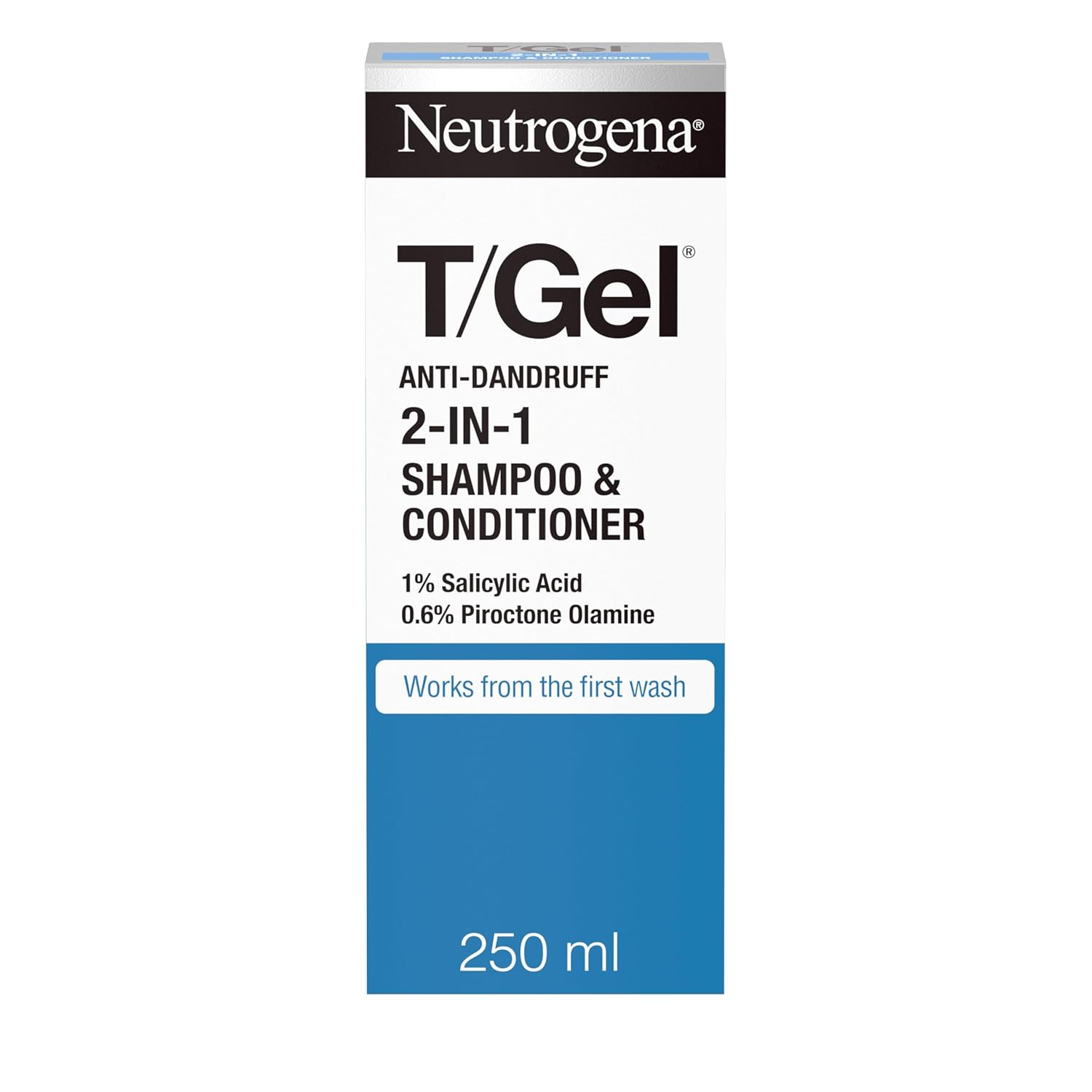
Note: a small number of medicated actives (certain strong antifungals or steroid-based scalp treatments, for instance) can shift a product from 'cosmetic' into 'drug' territory under the Act, triggering a different, stricter licensing path — this is decided ingredient-by-ingredient and isn't something a shopper can determine just by reading the front of the pack
⚠️
None of this is medical or legal advice — if you need a definitive answer on whether a specific product or ingredient is classified as a cosmetic or a drug in India, that's a question for the manufacturer's regulatory team or a qualified professional, not a blog post.
So What Does 'CDSCO Approved' on a Label Actually Mean?
In most cases, not much officially — CDSCO doesn't issue a logo or seal for cosmetics the way BIS does with the ISI mark. If a product's marketing leans hard on 'CDSCO approved' or 'FDA approved' language, that phrasing itself is a bit of a red flag, since neither body approves cosmetic formulas in that sense. What you should actually look for on the pack is far less flashy: a name and complete address for the manufacturer, marketer, or importer, a batch number, manufacturing and expiry (or 'best before') dates, and net quantity — all Legal Metrology requirements that legitimate sellers can't skip.
SkinFinds Picks — Brands Operating Within India's Cosmetics Framework
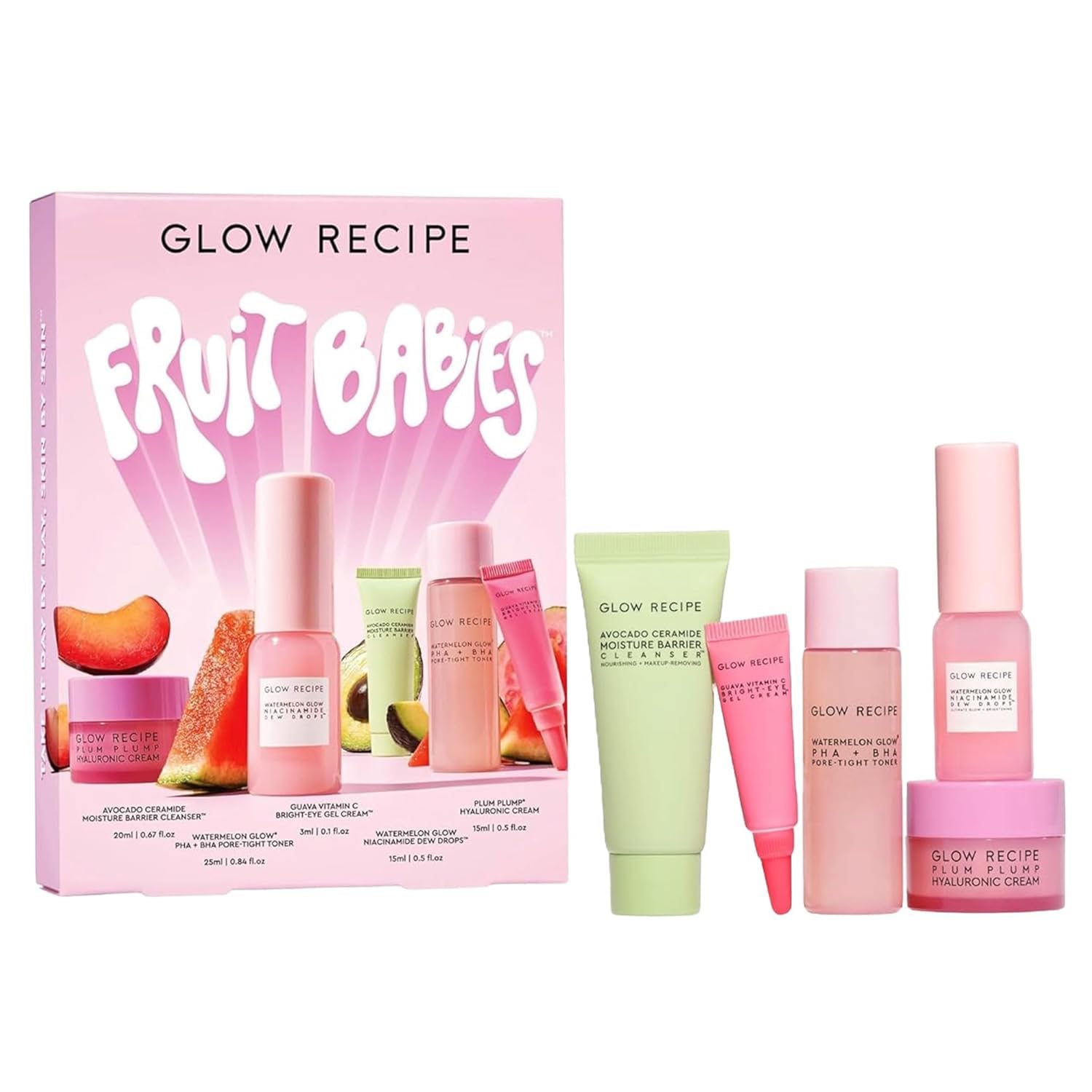
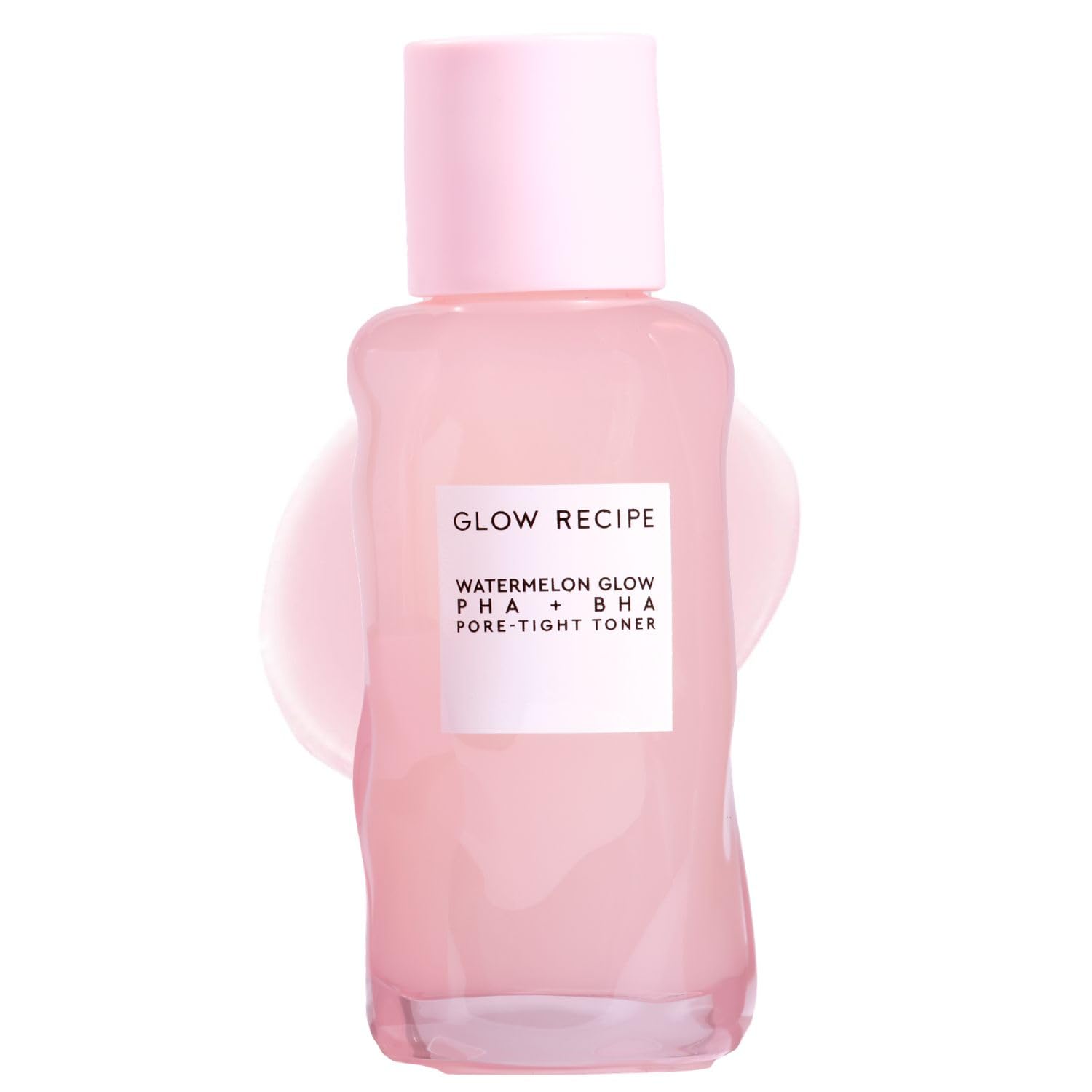
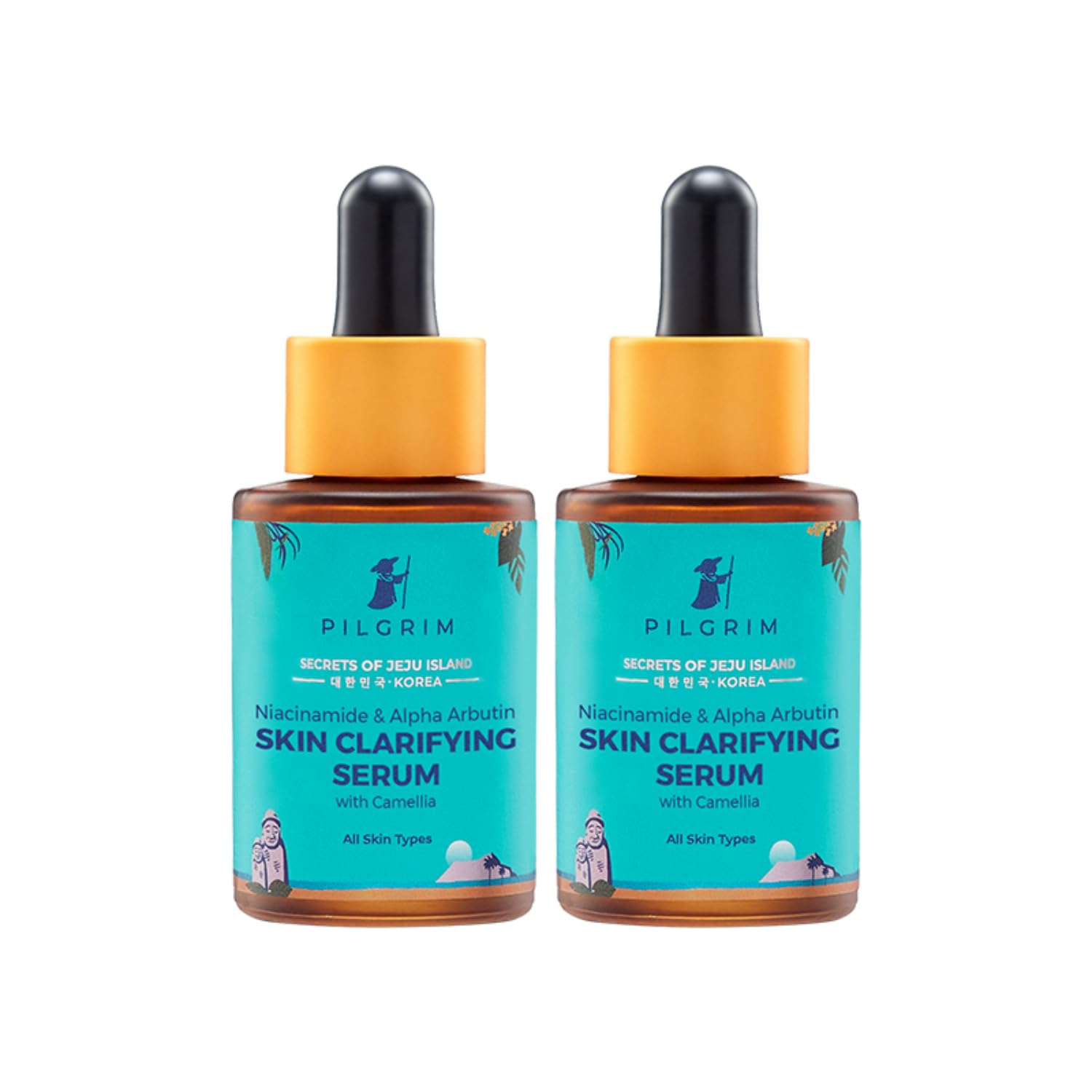
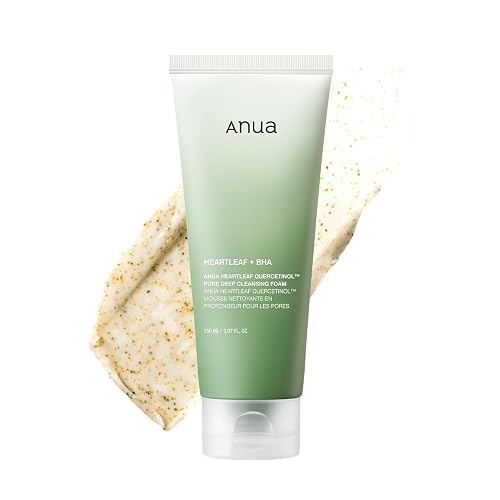
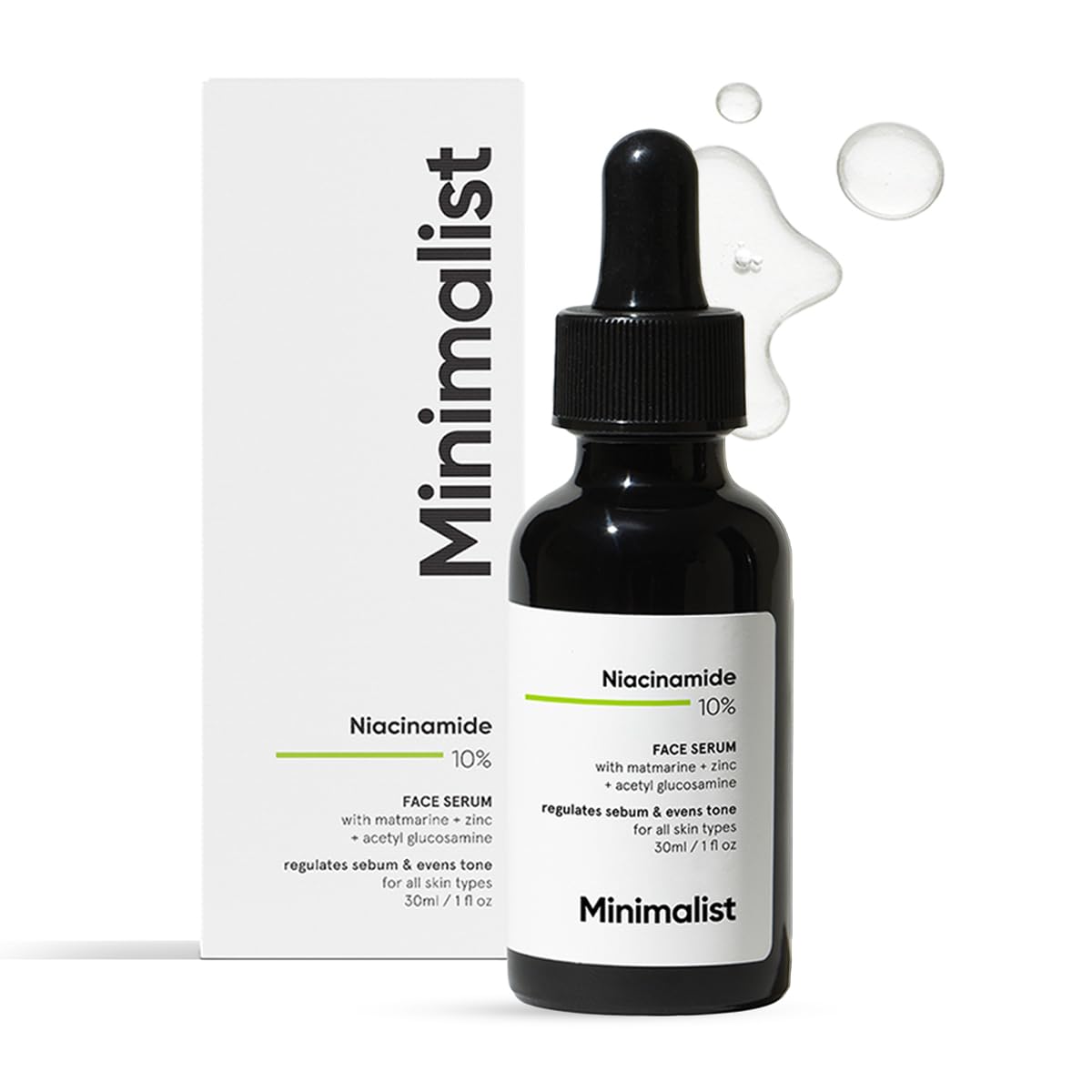
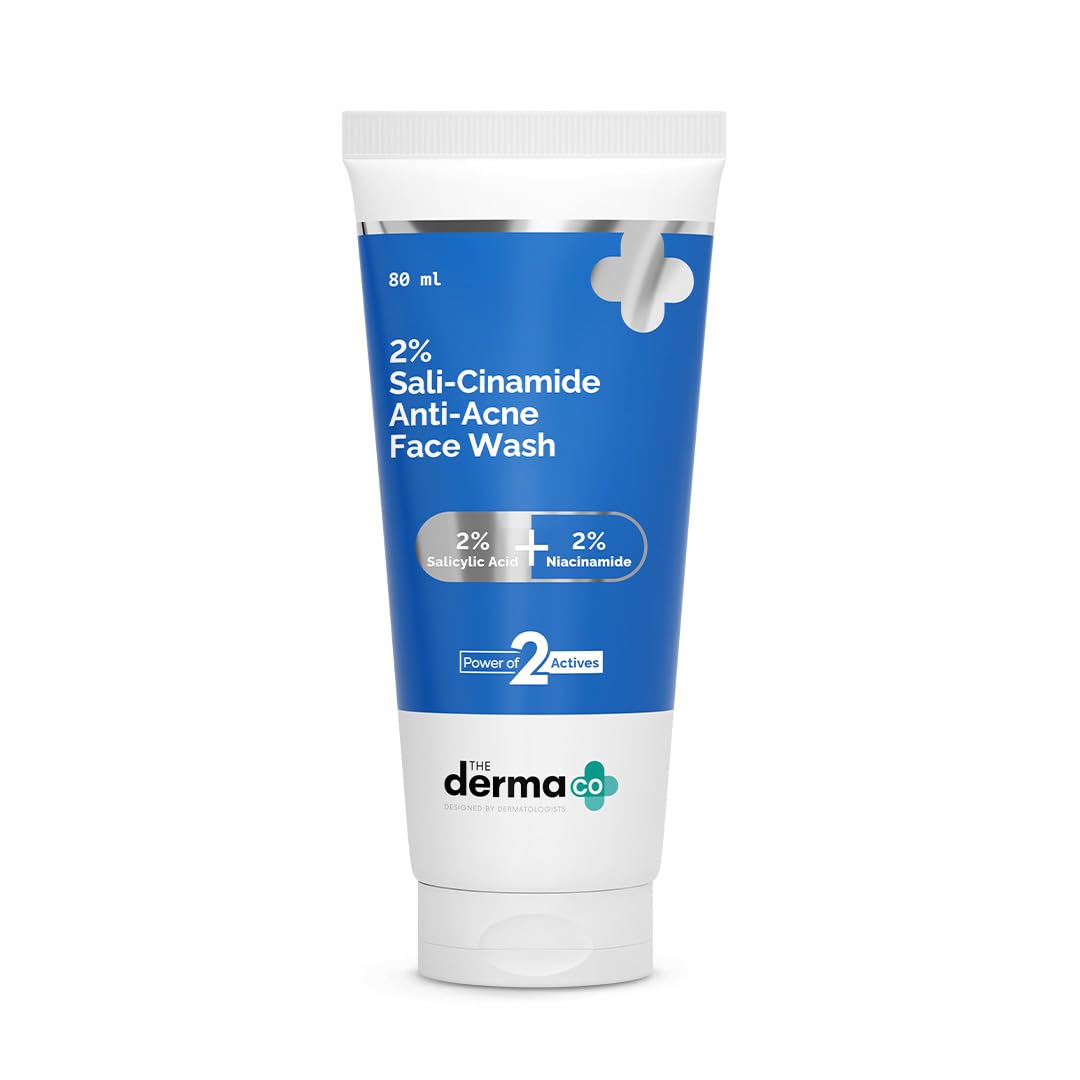
To make this concrete, here are a few SkinFinds picks that illustrate both licensing paths described above. We haven't personally pulled each brand's registration certificate (no public tool exists to do that, as noted above) — what we can say with confidence is the legal category each falls into simply by being lawfully sold in India at all.
Homegrown Indian brands (manufactured domestically, under a State Licensing Authority)
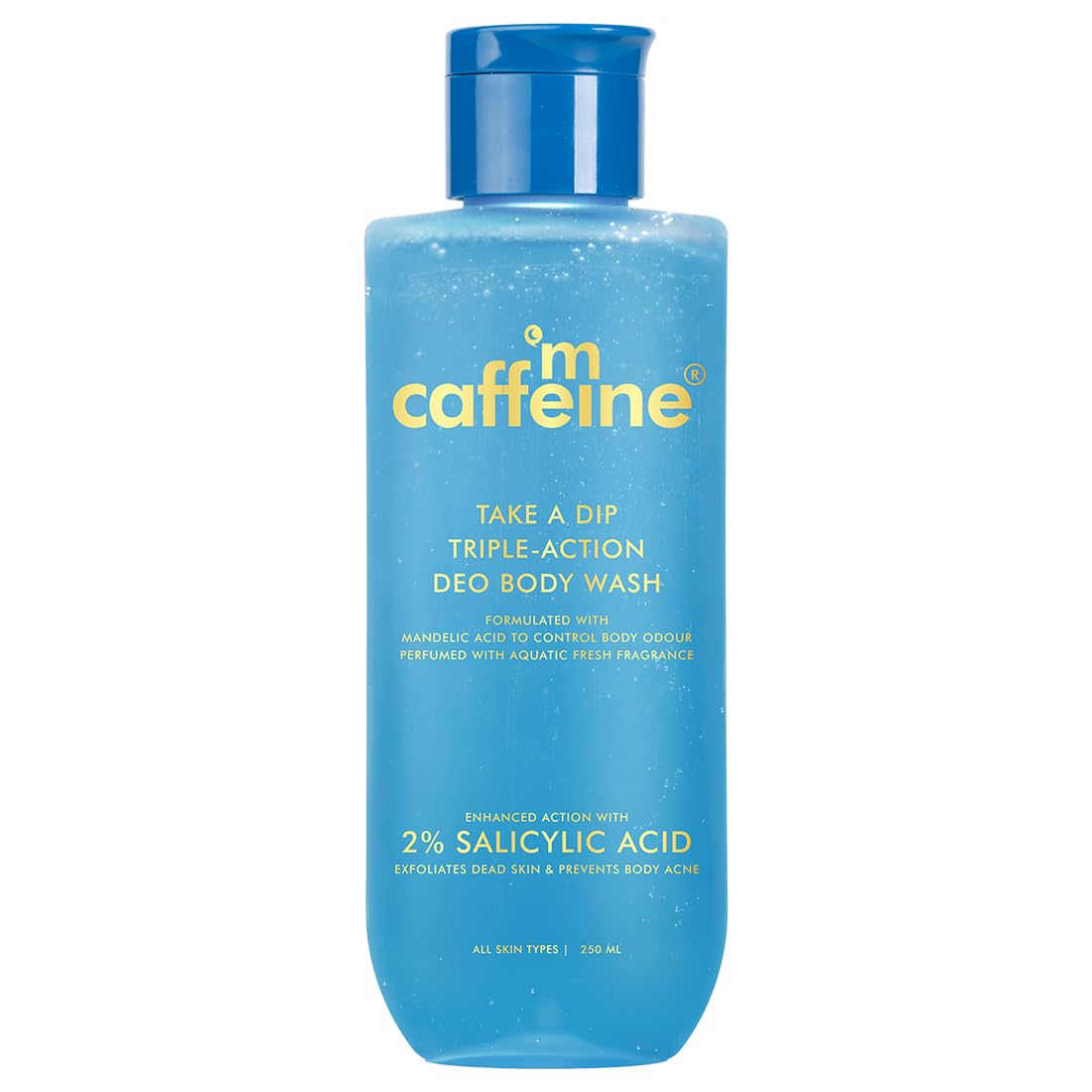
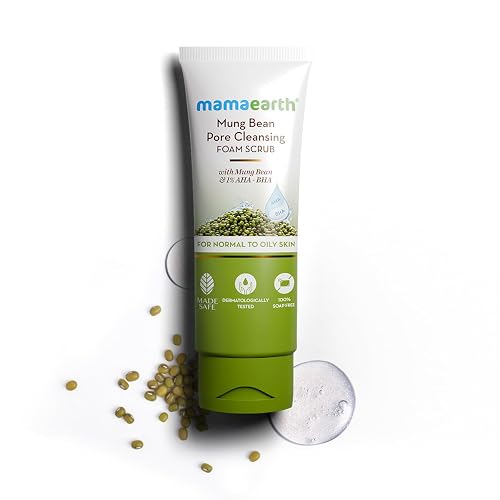
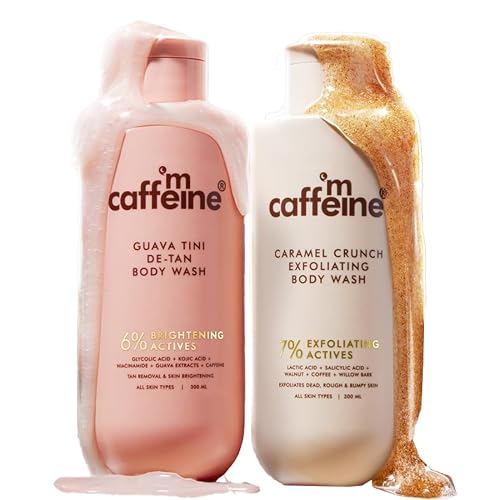
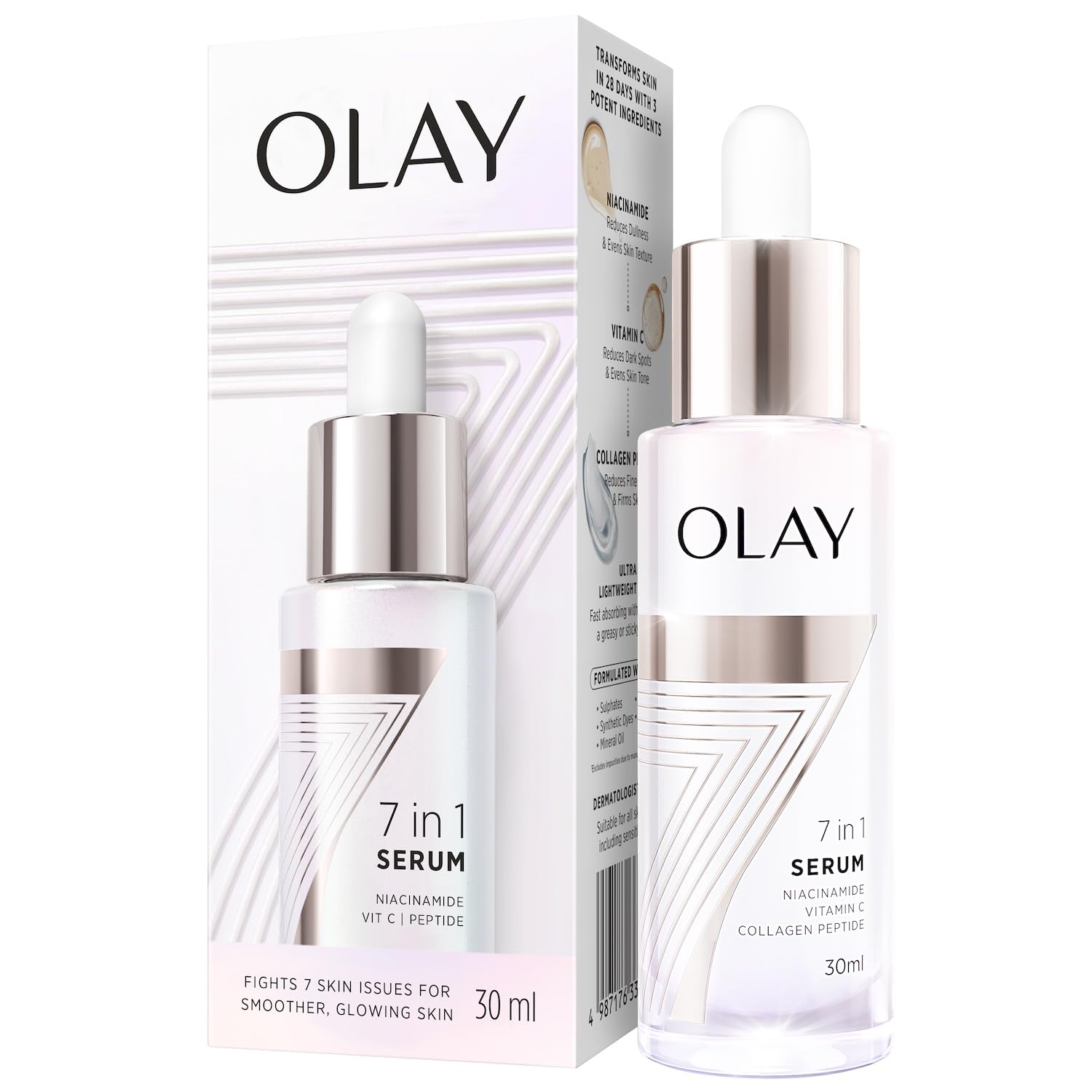
Formulated and manufactured in India by a domestic D2C brand — to be sold legally, its manufacturing facility must hold a State Licensing Authority licence under the Cosmetics Rules, 2020
4.2 rating, one of the most recognised 'clean actives' brands among Indian skincare shoppers
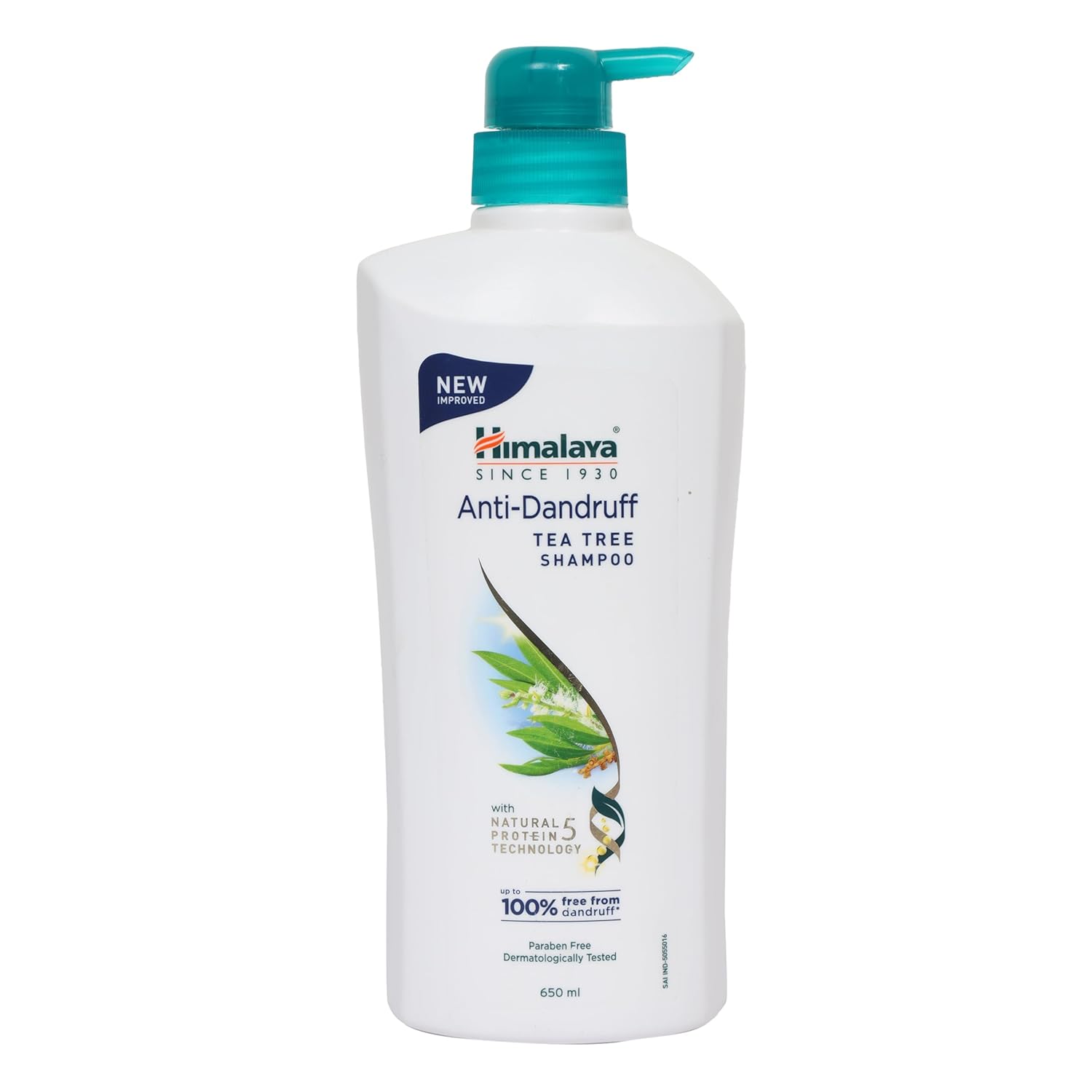
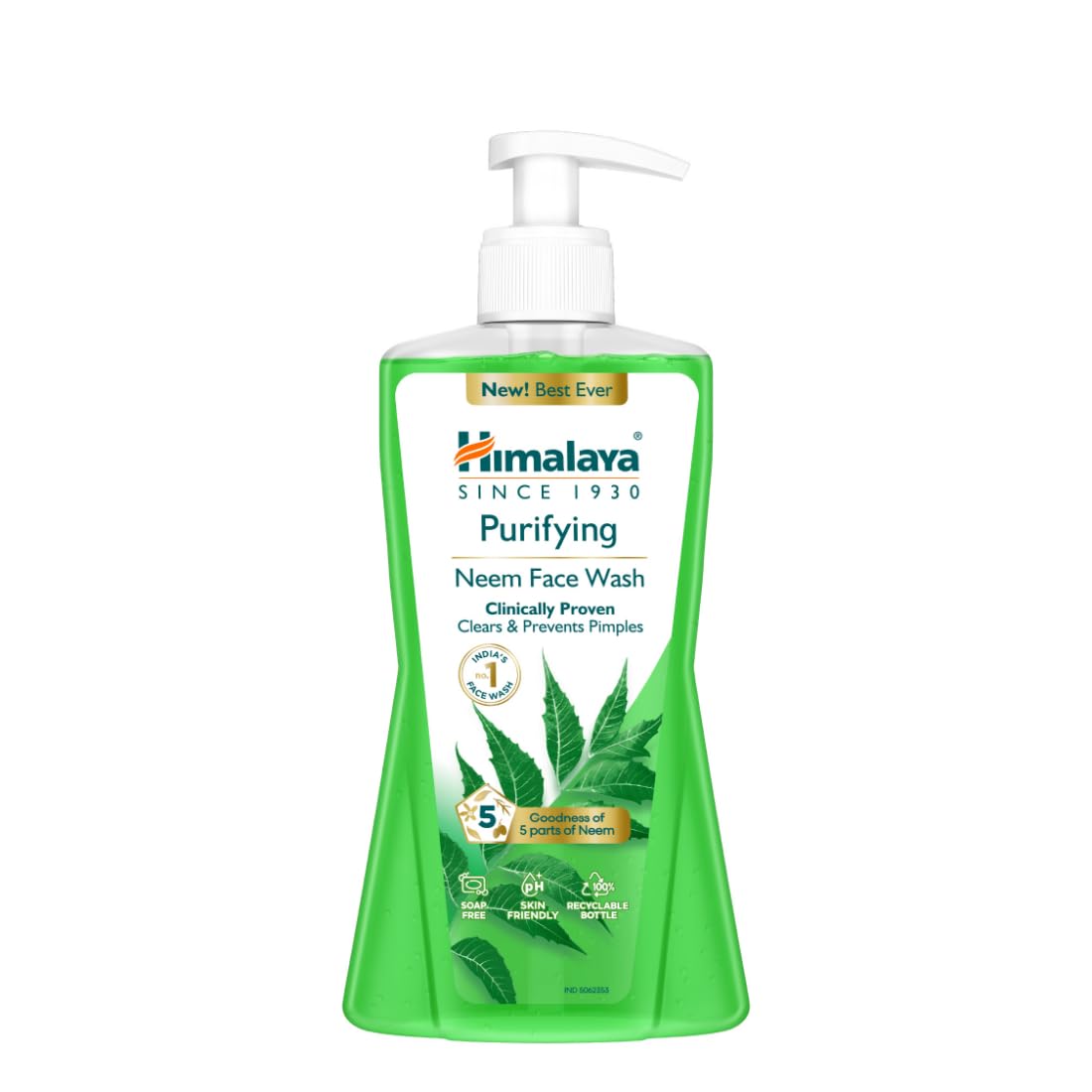
One of India's longest-running cosmetics manufacturers (in business since the 1930s), with its own domestic manufacturing under State Licensing Authority oversight
4.3 rating, neem-based formulation, widely available and long-established
Multinational brands (sold in India via CDSCO import registration or an India-based licensed factory)
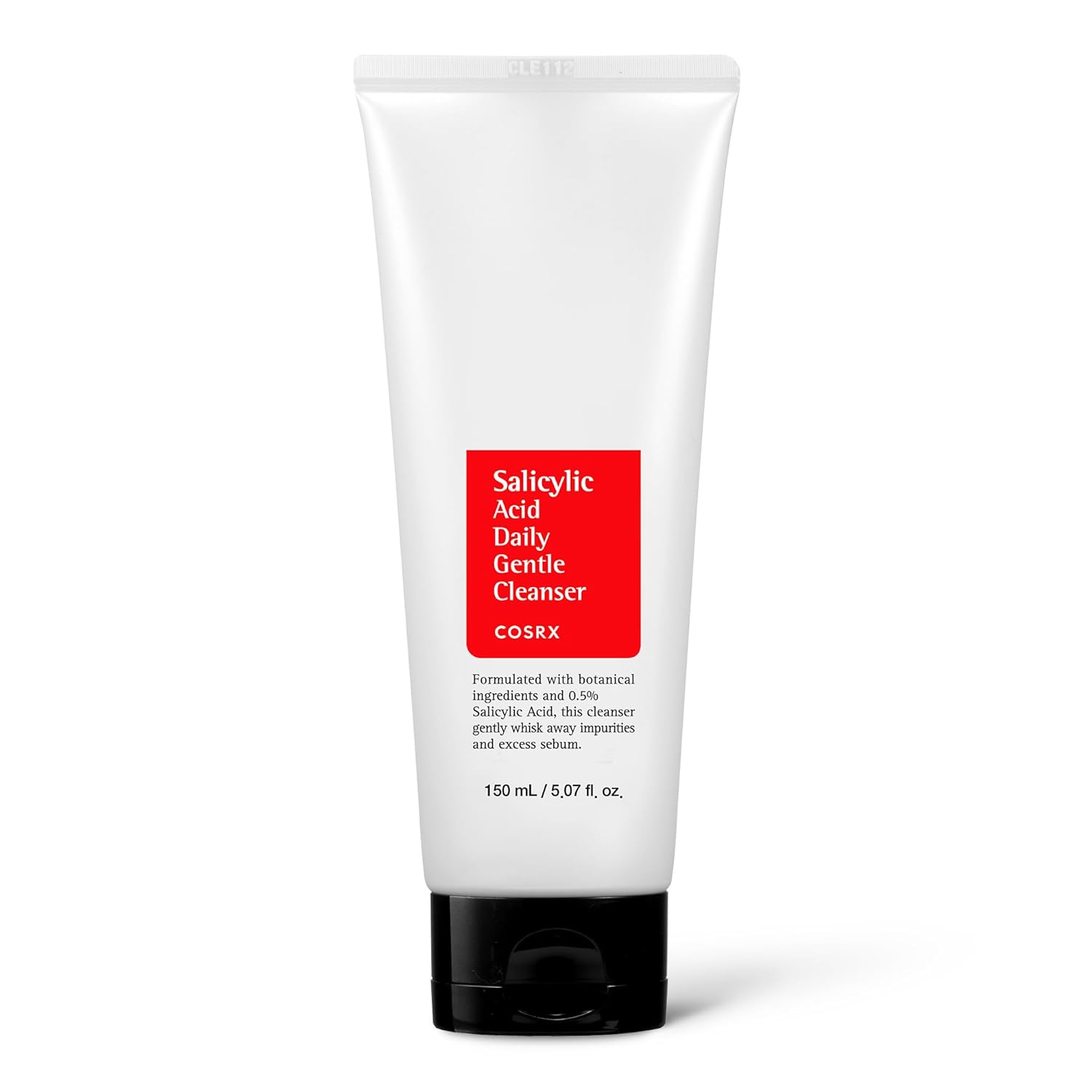
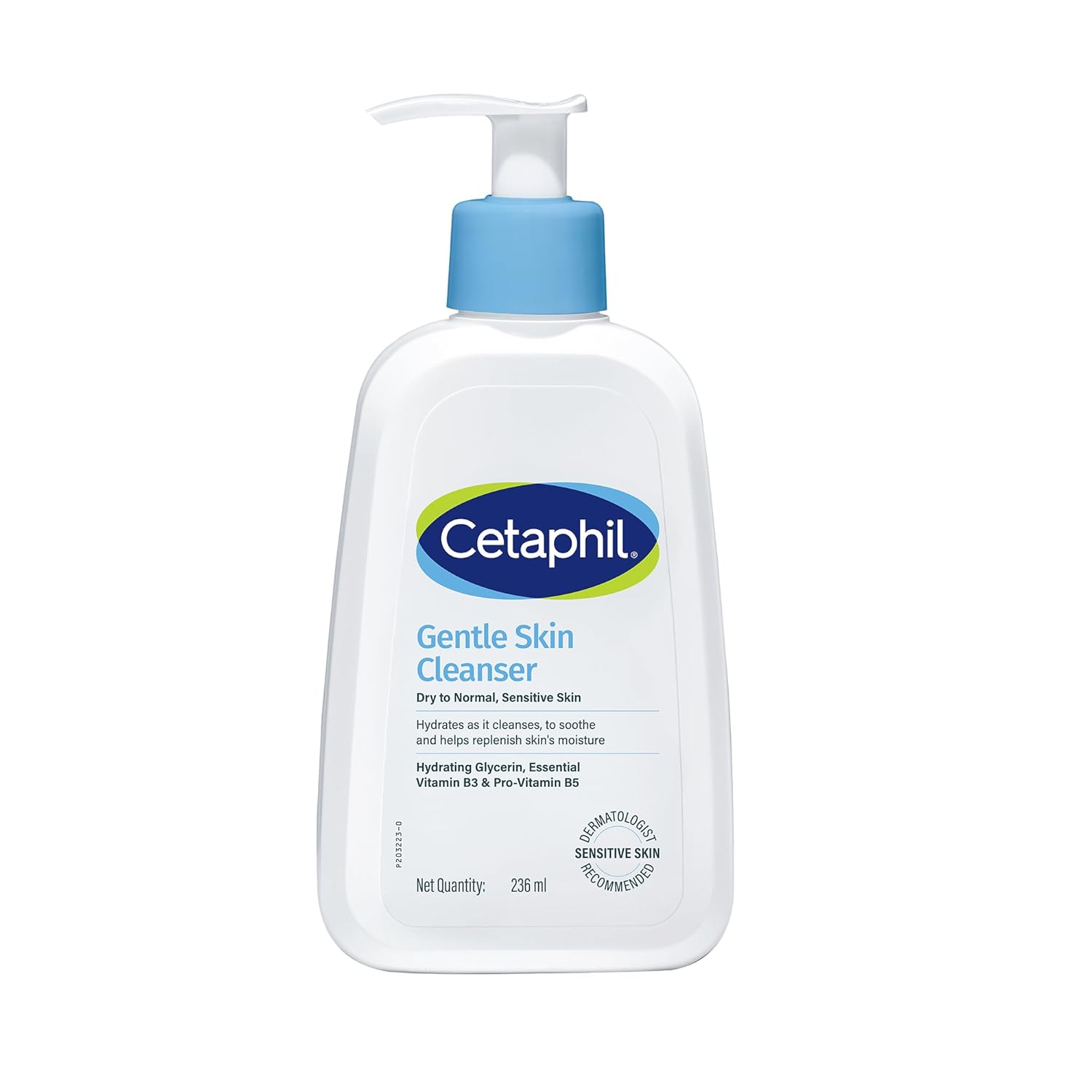
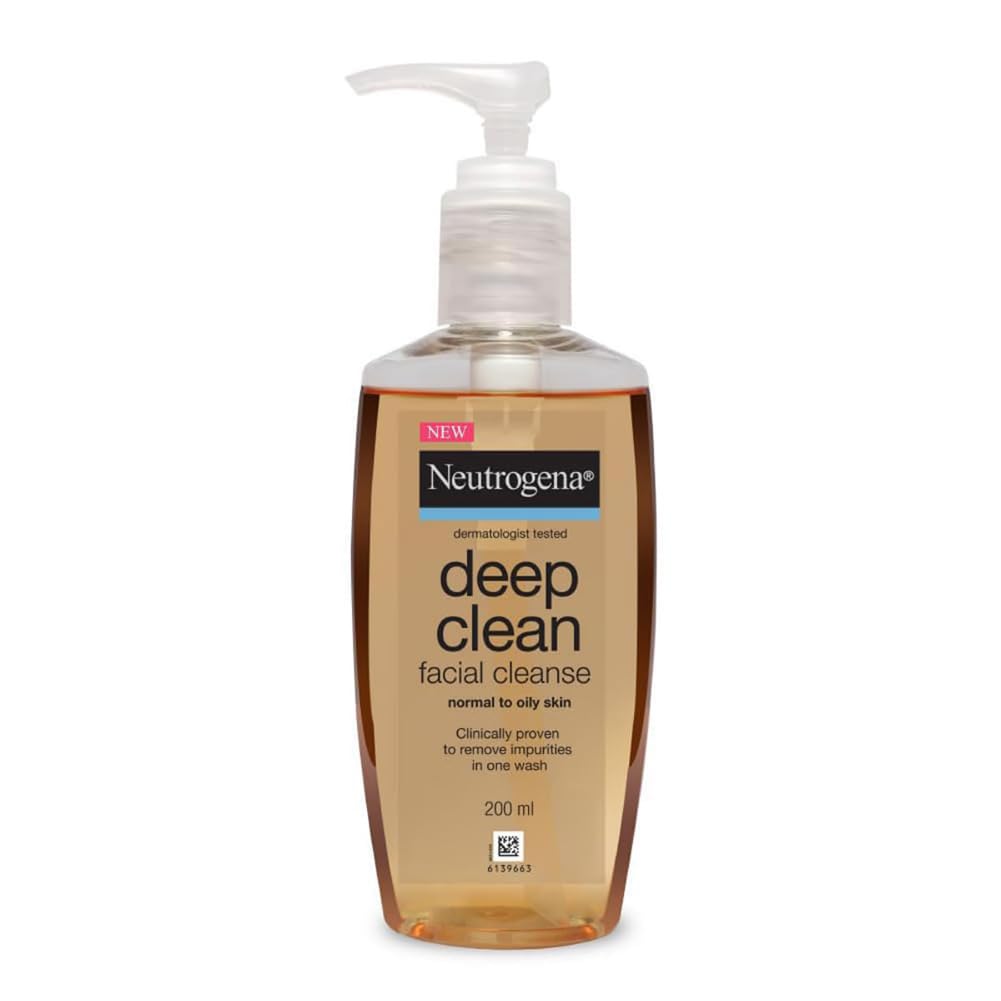
A Galderma-owned global brand — to be sold legally in India, stock is either covered by a CDSCO import registration certificate or produced at a licensed Indian facility, depending on sourcing
4.4 rating, a dermatology-recommended staple across markets
Flip the pack over: is there a full manufacturer, marketer, or importer name and Indian address? Legitimate products can't skip this under Legal Metrology rules
Check for a batch number plus manufacturing and expiry dates — their total absence is a bigger warning sign than the lack of a flashy 'approved' logo
Buy from the brand's own website, official brand store on Amazon/Flipkart, or a listed authorised retailer — unverified third-party marketplace sellers are where counterfeits and grey-market imports concentrate
Be wary of imported-looking products with no Indian entity named anywhere on the pack — that's the opposite of what a real CDSCO-registered import looks like
The Bottom Line
There's no single body in India that 'approves' skincare and beauty products the way a drug regulator approves medicines. Instead, CDSCO (through the DCGI) registers imports, State Licensing Authorities license domestic manufacturing, BIS sets quality standards for specific categories, and Legal Metrology enforces honest labeling — four different pieces of the same puzzle. The next time a product claims to be 'CDSCO approved,' treat it as marketing language rather than a verified fact, and look instead for the boring, unglamorous details that are actually legally required: a real address, a batch number, and a sale through a channel you trust.