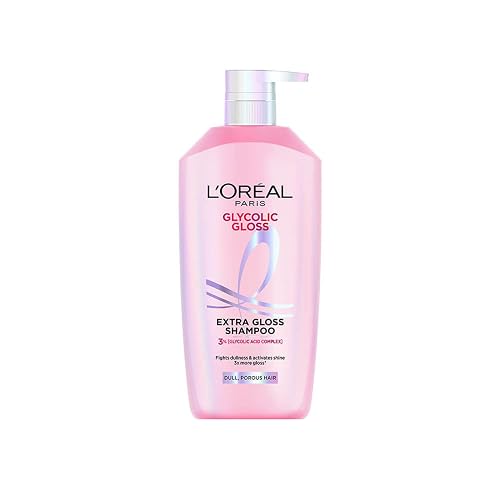
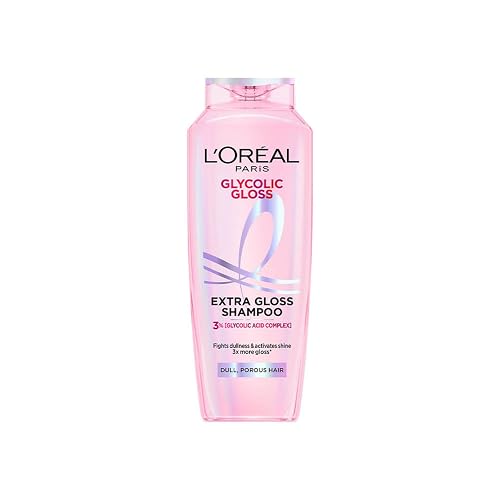
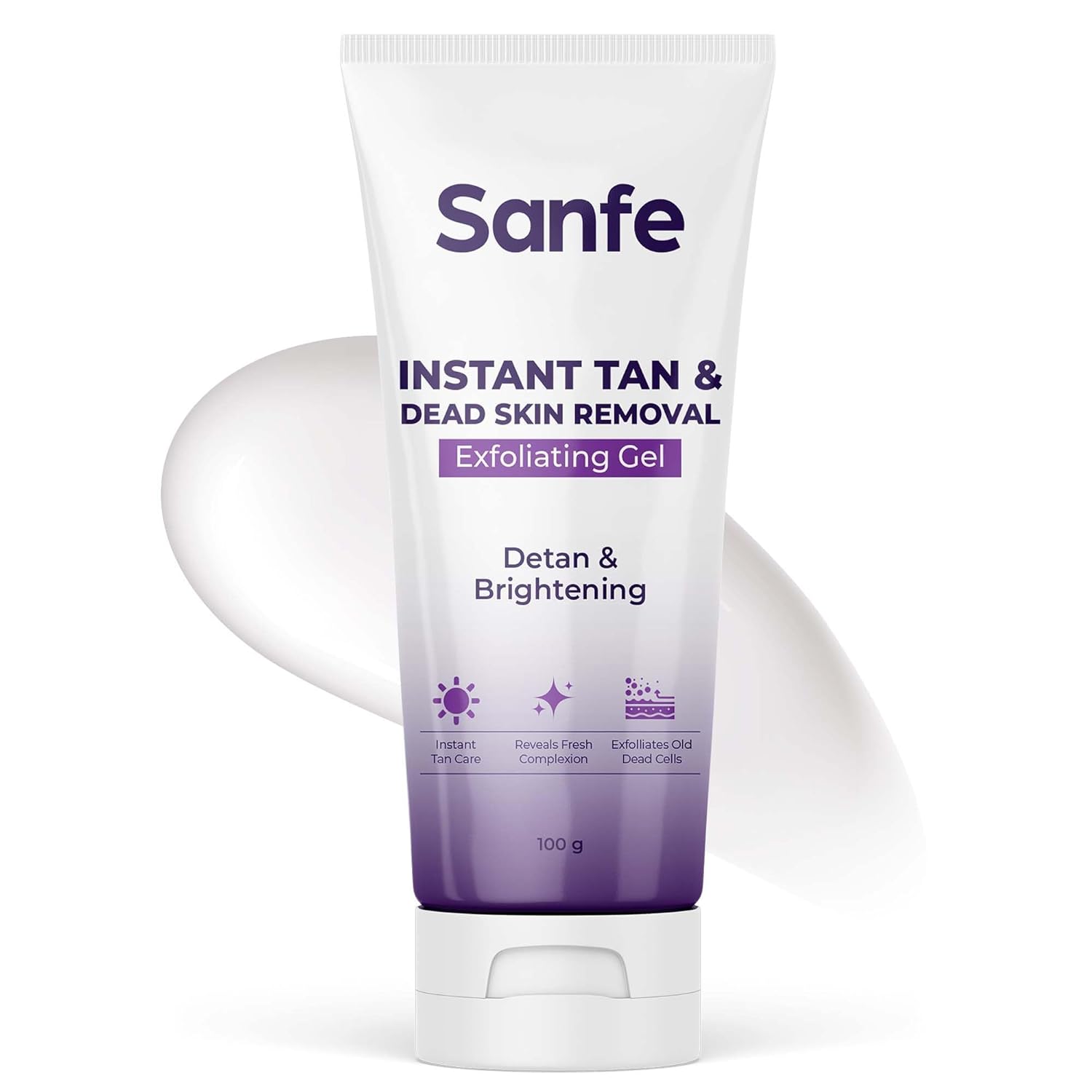
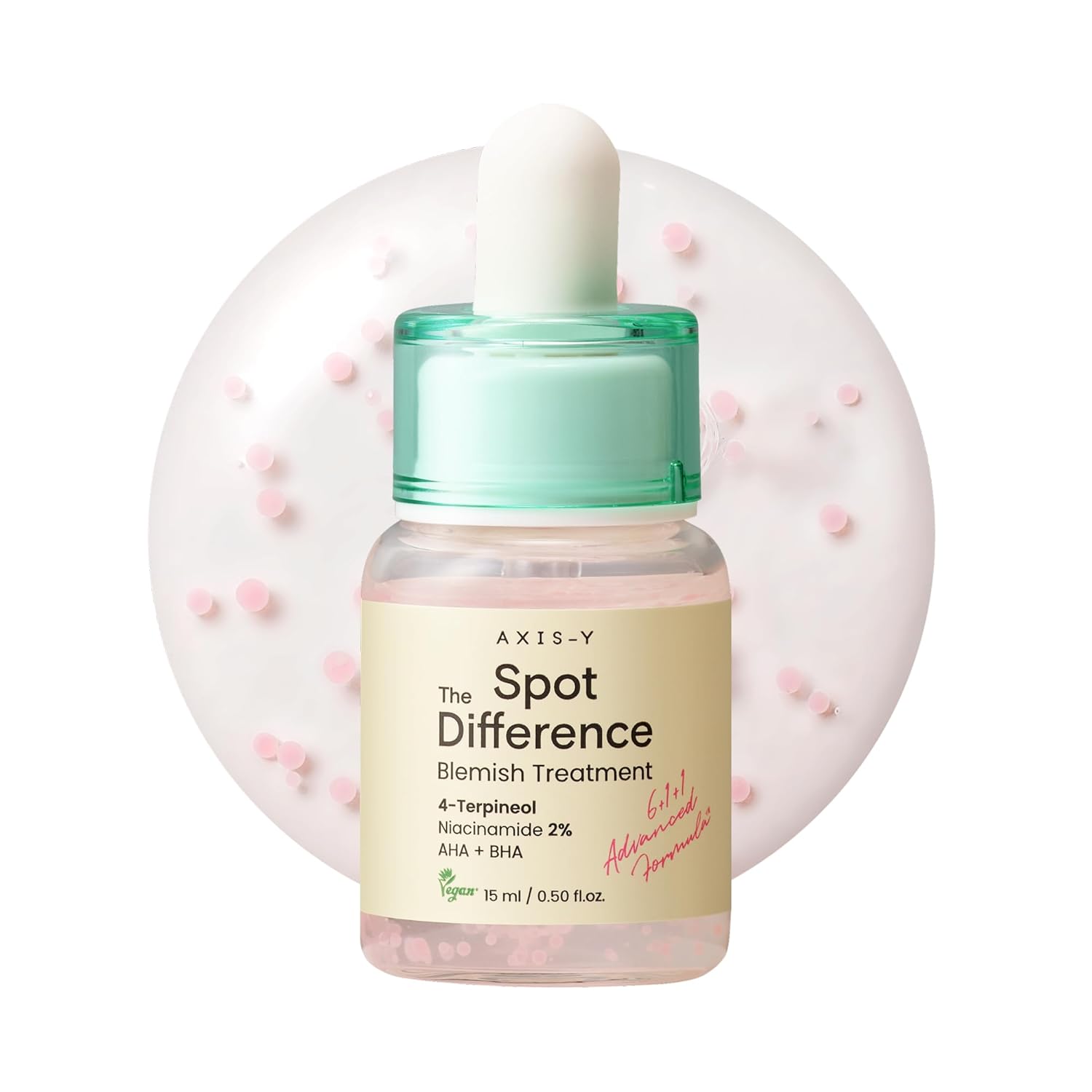
Monsoon season in India brings a very specific skin problem: humidity keeps pores clogged and sweat-slicked, while the constant dampness makes texture and dullness worse than usual. Two ingredients get recommended for this — glycolic acid and salicylic acid — and they get used interchangeably by people who assume any acid exfoliant does the same job. It doesn't. One works on the surface, the other works inside your pores, and picking wrong can leave you more irritated with nothing to show for it.
TL;DR — Quick Summary
✓Glycolic acid is an AHA — works on the skin's surface, best for dullness, texture, and dark spots
✓Salicylic acid is a BHA — oil-soluble, goes inside pores, best for active acne, blackheads, and oily/monsoon skin
✓Oily, acne-prone, or currently breaking out → salicylic acid first
✓Dry to normal skin with dullness, rough texture, or sun spots → glycolic acid first
✓You can use both, but not on the same night — alternate or split AM/PM
Glycolic acid is an alpha-hydroxy acid (AHA) derived from sugarcane — the smallest AHA molecule, which means it penetrates fastest and tends to be the most effective at exfoliating the skin's surface. It works by dissolving the 'glue' holding dead skin cells together, so they shed faster and reveal smoother, brighter skin underneath.
Because it works on the surface rather than inside pores, glycolic acid is better suited to dullness, rough texture, fine lines, and sun-induced dark spots than it is to active acne. It's also the ingredient most associated with visible 'glow' — the reason so many Indian brightening serums lean on it.
Ideal concentration: 5–10% for daily/frequent use; higher strengths exist for occasional peels
Works on skin surface: Cannot penetrate oil-clogged pores the way salicylic acid can
Brightening effect: Fades sun spots and post-acne marks by accelerating cell turnover
Texture improvement: Smooths rough patches, small bumps, and flaky skin within 2–4 weeks
Increases sun sensitivity: Non-negotiable SPF the next morning
What Is Salicylic Acid?
Salicylic acid is a beta-hydroxy acid (BHA) derived from willow bark. Unlike glycolic acid, it's oil-soluble — meaning it can travel into pores and dissolve the sebum and dead skin cells clogging them from the inside. That's what makes it the standard recommendation for blackheads, whiteheads, and the kind of congestion that gets worse every monsoon.
It also has mild anti-inflammatory properties, so it calms existing breakouts while preventing new ones from forming — a combination glycolic acid doesn't offer.
Type: Beta-Hydroxy Acid (BHA), oil-soluble
Ideal concentration: 0.5–2% for daily use
Penetrates pores: The key advantage over glycolic acid for oily, congestion-prone skin
Anti-inflammatory: Reduces redness and swelling of active breakouts
Comedolytic: Prevents new clogged pores from forming, not just treating existing ones
Increases sun sensitivity: Same SPF requirement as glycolic acid
Head-to-Head Comparison
Both are acids, both exfoliate, both need SPF — but they solve different problems:
Best for → Glycolic acid: dullness, texture, sun spots. Salicylic acid: active acne, blackheads, oily skin
Monsoon congestion → Salicylic acid clearly wins — it's built for oil-clogged pores in humidity
Post-acne dark marks → Glycolic acid has the edge for fading marks once acne is under control
Irritation risk → Both moderate at first; glycolic acid tends to sting slightly more on first use
Can use daily? → Both: start alternate nights, build to daily over 2–3 weeks
Price range (India) → Both extremely affordable: ₹250–₹500 for quality serums or toners
Who Should Use Glycolic Acid?
Dry, normal, or combination skin with dullness rather than active breakouts
Post-acne dark spots and sun-induced pigmentation once breakouts are calm
Rough, bumpy texture (keratosis pilaris-like patches on cheeks or arms)
Fine lines and early signs of photoaging
Anyone chasing that 'glass skin' glow look popular on Indian skincare Instagram
⚠️
Do not start glycolic acid if your barrier is already compromised (tight, stinging, flaky skin). Repair it first with a ceramide moisturiser and niacinamide for 2–3 weeks, then introduce glycolic acid slowly.
Who Should Use Salicylic Acid?
Active acne with blackheads and whiteheads (comedonal acne)
Oily skin that gets shinier and more congested specifically during monsoon
Clogged pores on the nose, forehead, and chin (T-zone)
Body acne (bacne) — salicylic body washes are genuinely effective here
Anyone in humid cities (Mumbai, Chennai, Kolkata) where sweat and sebum combine fastest
💡
For monsoon specifically: bump salicylic acid frequency up to daily during peak humidity months, then taper back to 3–4x/week once the season dries out. Your pores clog faster in humidity, so the ingredient that unclogs them should work harder then too.
Can You Use Both Together?
Yes, but not stacked in the same routine every night — that's a common way people over-exfoliate and end up with a damaged barrier instead of clearer skin.
Option 1: AM/PM Split (Recommended for Most)
Morning: Vitamin C or niacinamide → moisturiser → SPF (skip acids in the morning)
Night: Salicylic acid on congestion-prone nights, glycolic acid on dullness-focused nights
Alternate which one you use each night rather than combining them
Option 2: Alternate Nights (For Beginners or Sensitive Skin)
Night 1: Salicylic acid serum → moisturiser
Night 2: Glycolic acid toner or serum → moisturiser
Night 3: No acid — just moisturiser (recovery night)
Build tolerance over 4–6 weeks before increasing frequency
ℹ️
Some Indian brands sell combination AHA/BHA products with both acids at lower individual concentrations (often paired with lactic acid too). These are a reasonable middle ground for beginners who want both benefits without managing two separate products.
Minimalist 2% Salicylic Acid Serum — ₹299, 30ml. Clean, fragrance-free — the default recommendation for congestion-prone Indian skin.
Chemist At Play Exfoliating Body Wash — ₹347, 236ml. 4% salicylic + lactic acid combo, built specifically for body acne and monsoon strawberry-skin.
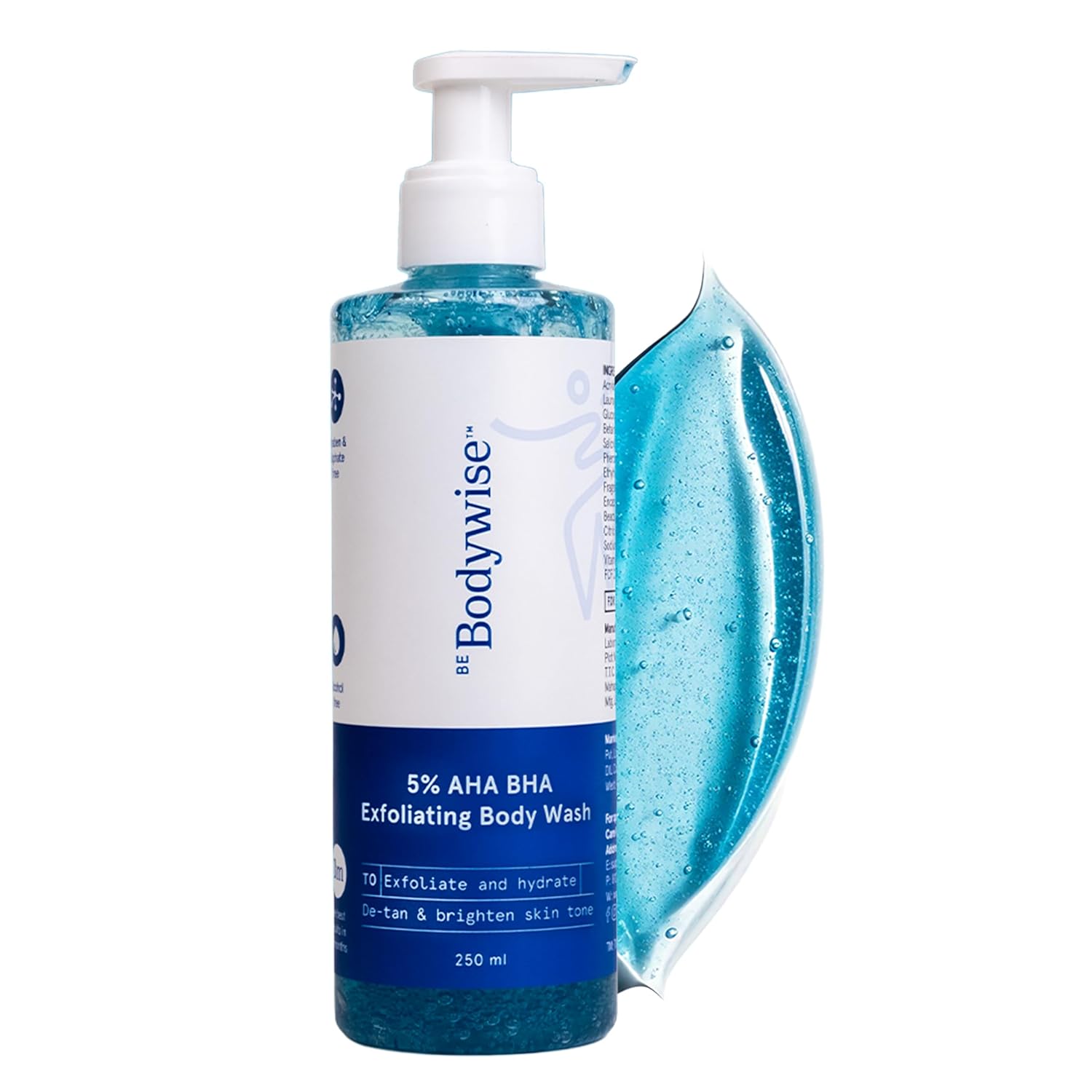
Be Bodywise 5% AHA BHA Exfoliating Body Wash — ₹399, 250ml. Combines both acids in one body wash — useful if you want the AHA/BHA benefit without a separate face routine.
Using both acids on the same night from day one — start with one, alternate once your skin adjusts
Skipping SPF the morning after — both acids increase sun sensitivity, and unprotected sun exposure undoes the brightening benefit entirely
Assuming 'exfoliating' means the same thing for both — glycolic won't clear monsoon congestion, and salicylic won't fade a sun spot as fast
Increasing concentration too fast because results feel slow — irritation from over-exfoliating looks a lot like 'purging' but isn't the same thing
Using body-wash-strength acids on facial skin, or vice versa — formulations are calibrated differently for a reason
Monsoon and Climate Considerations
India's regional climate swings change which acid should carry more weight in your routine:
Monsoon (June–September): Salicylic acid should be the workhorse — pores clog fastest in humidity. Gel or toner formats work better than heavy creams
Humid coastal cities (Mumbai, Chennai, Kochi): Lean salicylic acid year-round, not just monsoon
Dry winters (Delhi, North India): Glycolic acid pairs well here since dullness and flaking are the bigger issue, but always follow with a ceramide moisturiser
Post-monsoon dullness (October–November): This is the window to switch emphasis toward glycolic acid, once congestion has calmed down
The Verdict
Glycolic acid and salicylic acid aren't competing for the same job — one polishes the surface, the other cleans out pores. If you're dealing with active congestion or monsoon breakouts right now, salicylic acid is the one to reach for. If your skin is calm but dull, textured, or marked from old breakouts, glycolic acid does that job better.
At ₹300–350 for a quality entry-level product of either ingredient, there's no real reason to pick just one long-term — most people end up rotating between them depending on the season. Start slow, don't skip SPF, and give each one 4–6 weeks before judging results.