Flakes on your shoulders don't tell you what's actually wrong with your scalp. Dandruff, dry scalp, and seborrheic dermatitis can all look identical from a distance — and yet they have completely different causes, which means the shampoo that fixes one can make another worse. Reach for a strong medicated anti-dandruff shampoo when you actually have dry scalp, and you can strip what little moisture you had left. Use a gentle moisturising shampoo on seborrheic dermatitis, and the yeast driving it barely notices. Here's how to actually tell which one you have.
TL;DR — Quick Summary
✓Dandruff: dry, white-to-yellow flakes, minimal irritation — the mildest form of seborrheic dermatitis
✓Seborrheic dermatitis: the same flakes plus visible redness, greasy scale, and often spreads to eyebrows, nose or ears
✓Dry scalp: smaller, drier flakes with no redness — caused by lack of moisture, not yeast, and often worsens with daily washing
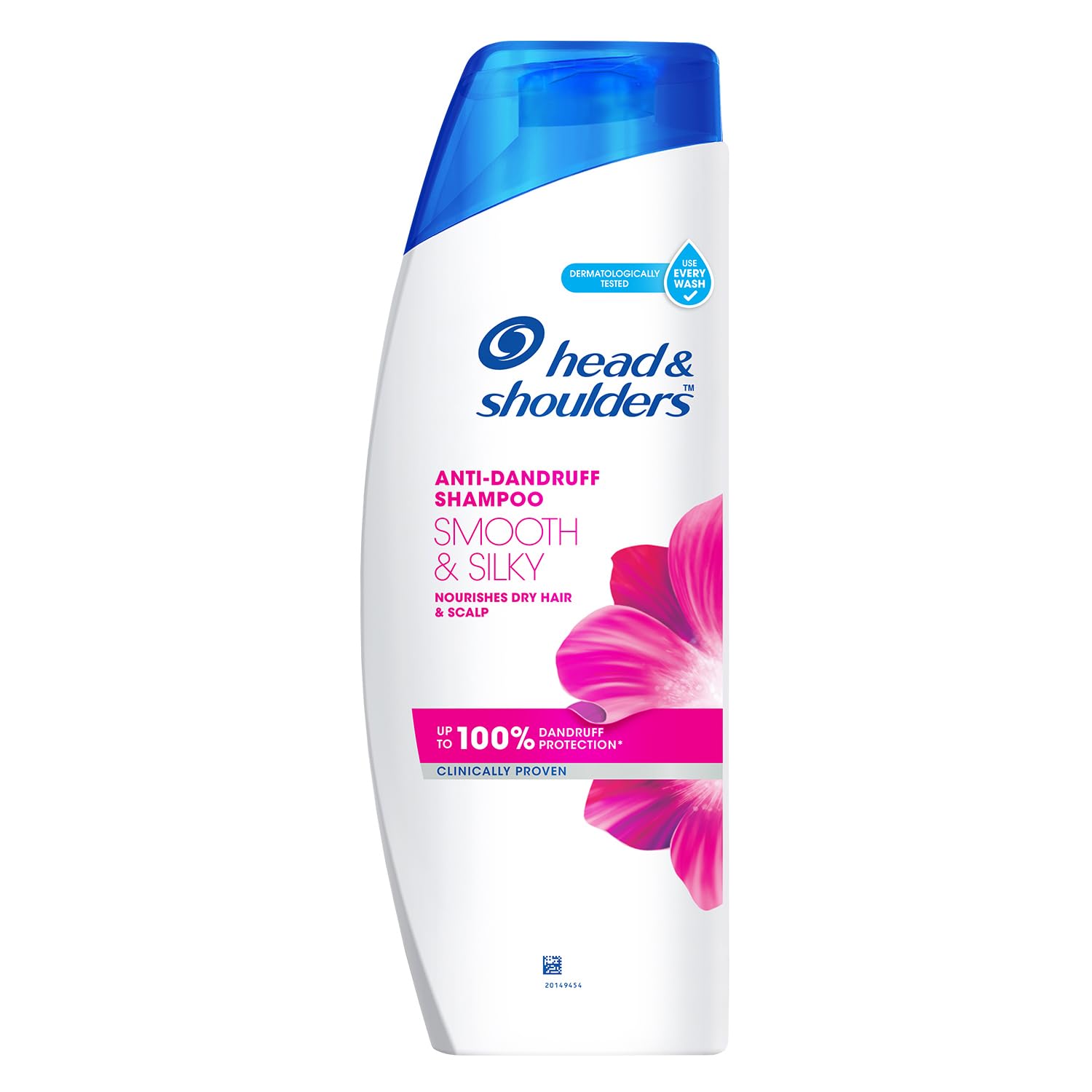
✓Best for classic dandruff: Head & Shoulders Smooth & Silky — zinc pyrithione, the most clinically studied anti-dandruff active
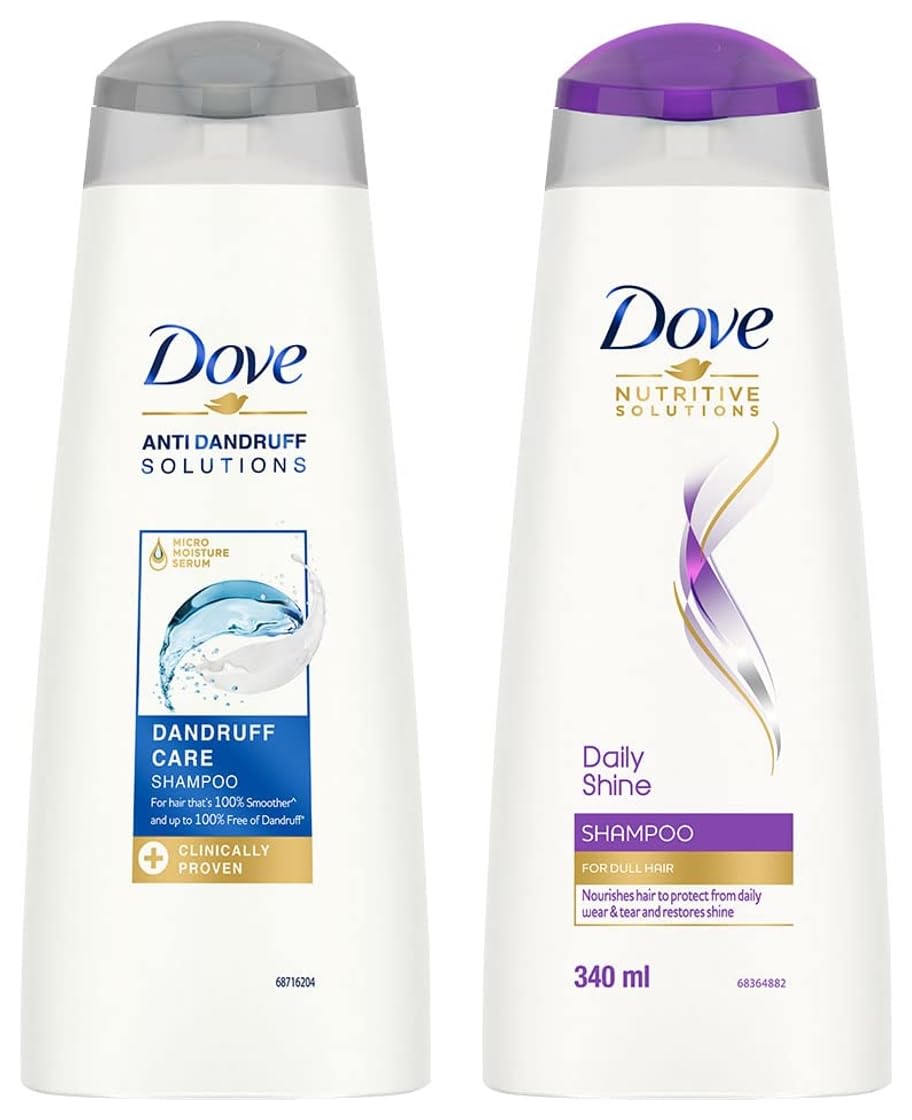
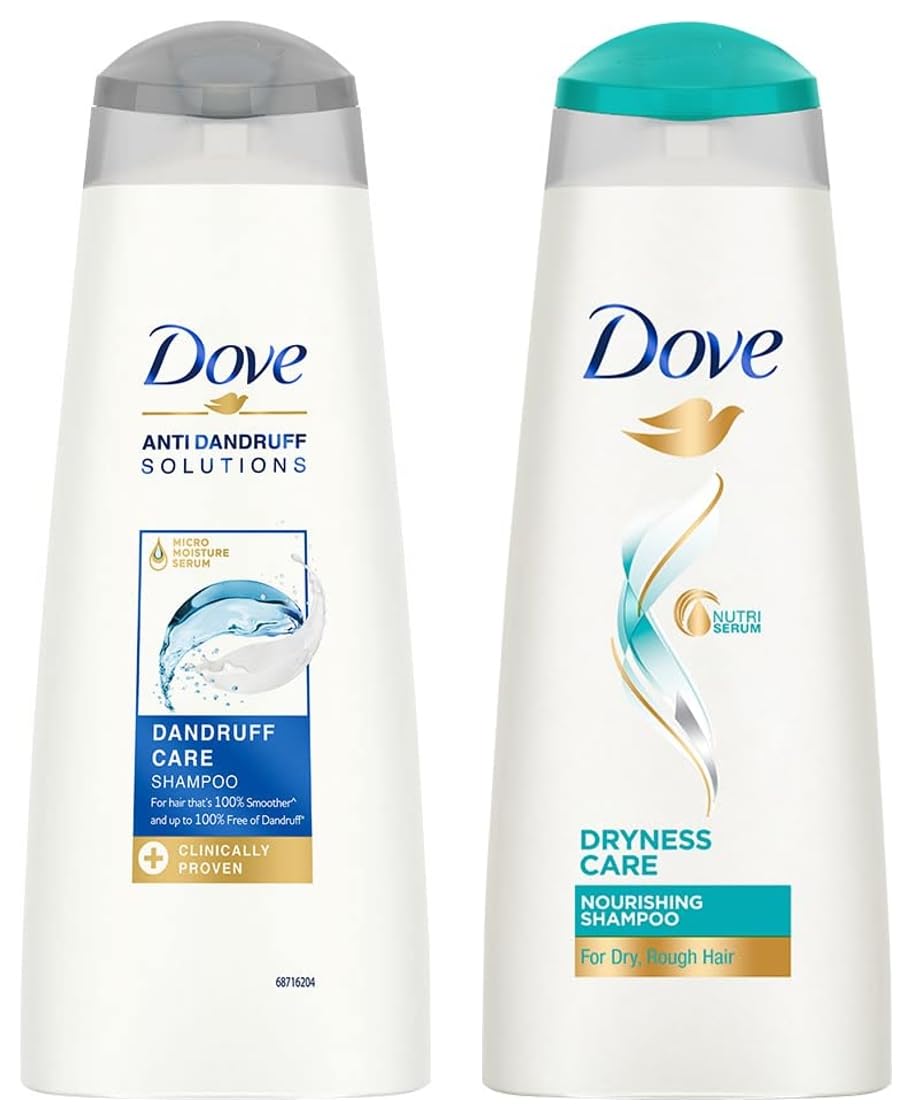
✓Best for dry scalp: Dove Dryness Care + Dandruff Care Shampoo — moisturises while treating flakes, won't over-strip
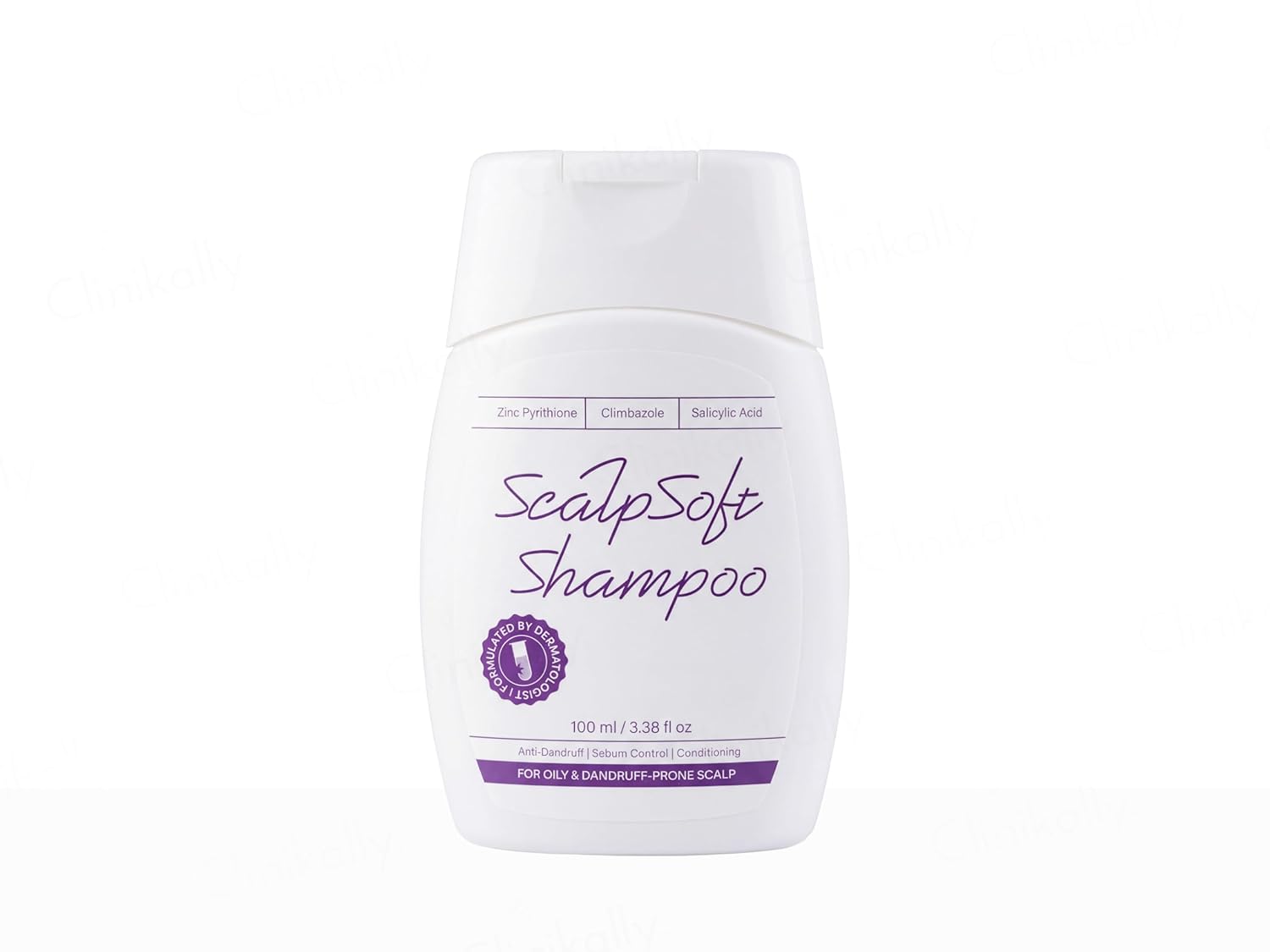
✓Best step-up for seborrheic dermatitis: Clinikally ScalpSoft — dermatologist-formulated with three actives, not one
✓If OTC shampoos don't help within 4–6 weeks, or the flaking spreads past your scalp, see a dermatologist — don't keep escalating products yourself
All three conditions cause visible flaking, so most people just buy "the anti-dandruff shampoo" and hope. According to the American Academy of Dermatology, dandruff is actually the mildest form of seborrheic dermatitis — the two sit on the same spectrum, which is exactly why they get confused. Dry scalp, on the other hand, is a genuinely separate condition with a different root cause. Telling them apart takes about thirty seconds once you know what to look for.
The Three-Way Difference
1. Classic Dandruff
Dry-looking, white-to-yellowish flakes that shed easily, usually with mild itching and little to no visible redness. Driven by Malassezia — a yeast that lives on everyone's scalp but overgrows and irritates the skin in people prone to dandruff, speeding up how fast skin cells shed.
2. Seborrheic Dermatitis
The same Malassezia-driven flaking, but with real inflammation added on top: visible redness or discoloured skin, greasier and thicker yellowish scale, and — the biggest tell — it often shows up beyond the scalp, on the eyebrows, sides of the nose, or behind the ears. It's also more common after age 50, and dermatology sources note it's especially common in Black patients. In babies, the same condition on the scalp is called cradle cap.
3. Dry Scalp
Smaller, drier flakes with essentially no redness. This isn't a yeast problem at all — it's the scalp not holding enough moisture, the same mechanism as dry skin anywhere else on the body. It's frequently made worse by washing too often (daily hot showers strip natural oils), harsh sulphate shampoos, or dry winter air — and, confusingly, an already-dry scalp can eventually trigger dandruff-like flaking on top of the dryness.
ℹ️
Quick self-check: flakes with no redness and no oiliness → likely dry scalp. Flakes with mild itch but skin looks normal → likely classic dandruff. Flakes plus visible redness, greasy scale, or flaking that's also showing up on your eyebrows or around your nose → likely seborrheic dermatitis, and worth a step up in treatment.
What Actually Works for Each
For Classic Dandruff
Zinc pyrithione is the most clinically studied anti-dandruff active available without a prescription — it's antifungal and antibacterial, and safe for daily use.
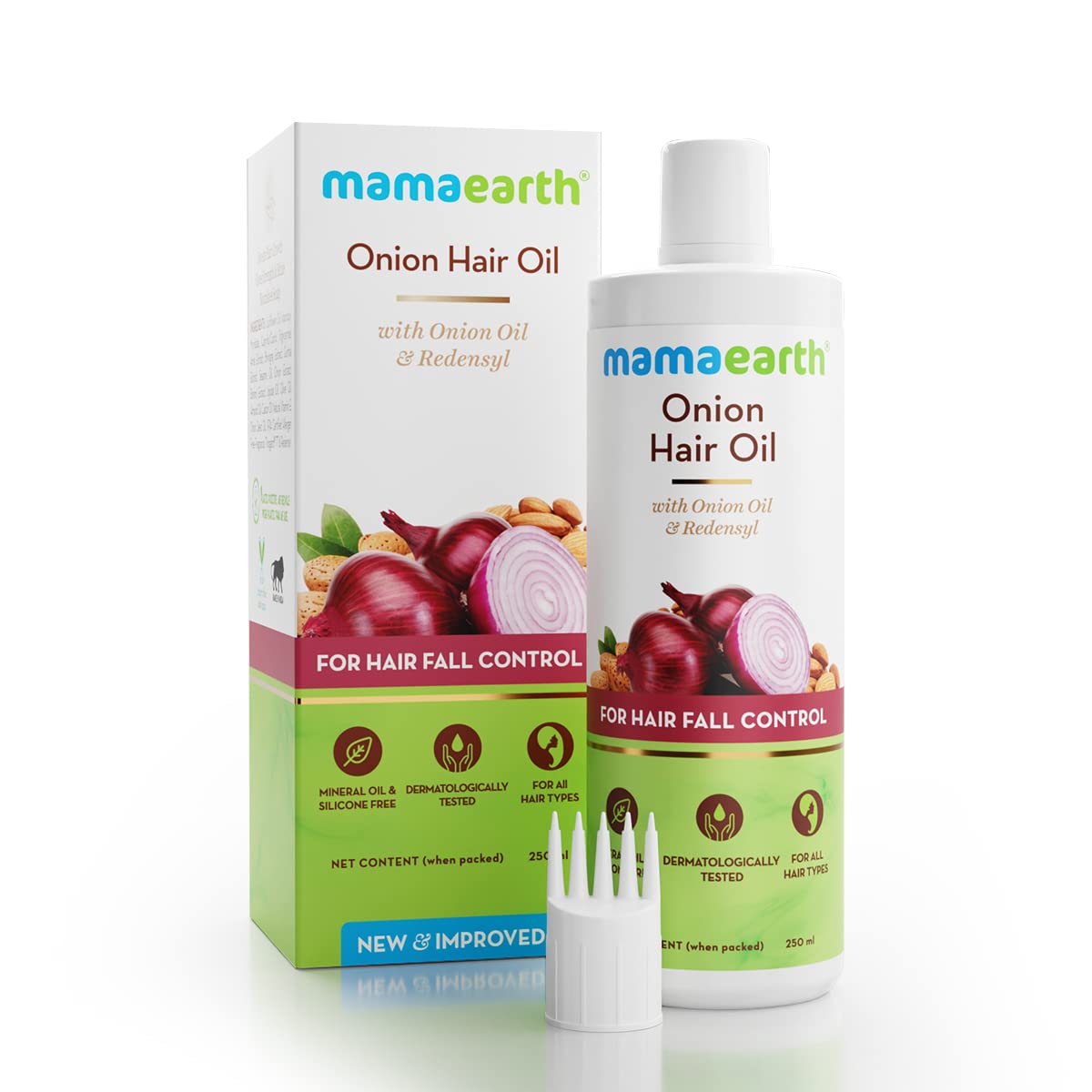
The goal here isn't a stronger antifungal — it's rehydrating the scalp without stripping it further. Look for a formula that explicitly treats dryness alongside flaking, wash less often (every other day rather than daily), and consider a pre-wash oil to replace lost moisture before you shampoo.
This is where a single-active shampoo often stops being enough — seborrheic dermatitis usually responds better to a formula combining an antifungal with an anti-inflammatory or exfoliating acid, rather than zinc pyrithione alone.
See a dermatologist if: flaking or redness spreads to your face (eyebrows, sides of the nose, ears), the scale becomes thick and greasy rather than dry, itching is severe, or nothing above improves things within 4–6 weeks of consistent use. Prescription-strength options (like 2% ketoconazole or topical steroids) exist for seborrheic dermatitis that OTC shampoos alone can't control — don't keep stacking stronger OTC products indefinitely.
How to Use Any of These Correctly
Apply to the scalp, not just the hair lengths — the active ingredient needs to touch skin to work
Massage in and leave for 2–3 minutes before rinsing — rinsing immediately barely gives the active any contact time
For dry scalp specifically: reduce wash frequency and finish with a cool water rinse to avoid stripping natural oils further
Rotate actives every 6–8 weeks if you're using a medicated shampoo long-term — this reduces the chance of Malassezia developing tolerance
The Bottom Line
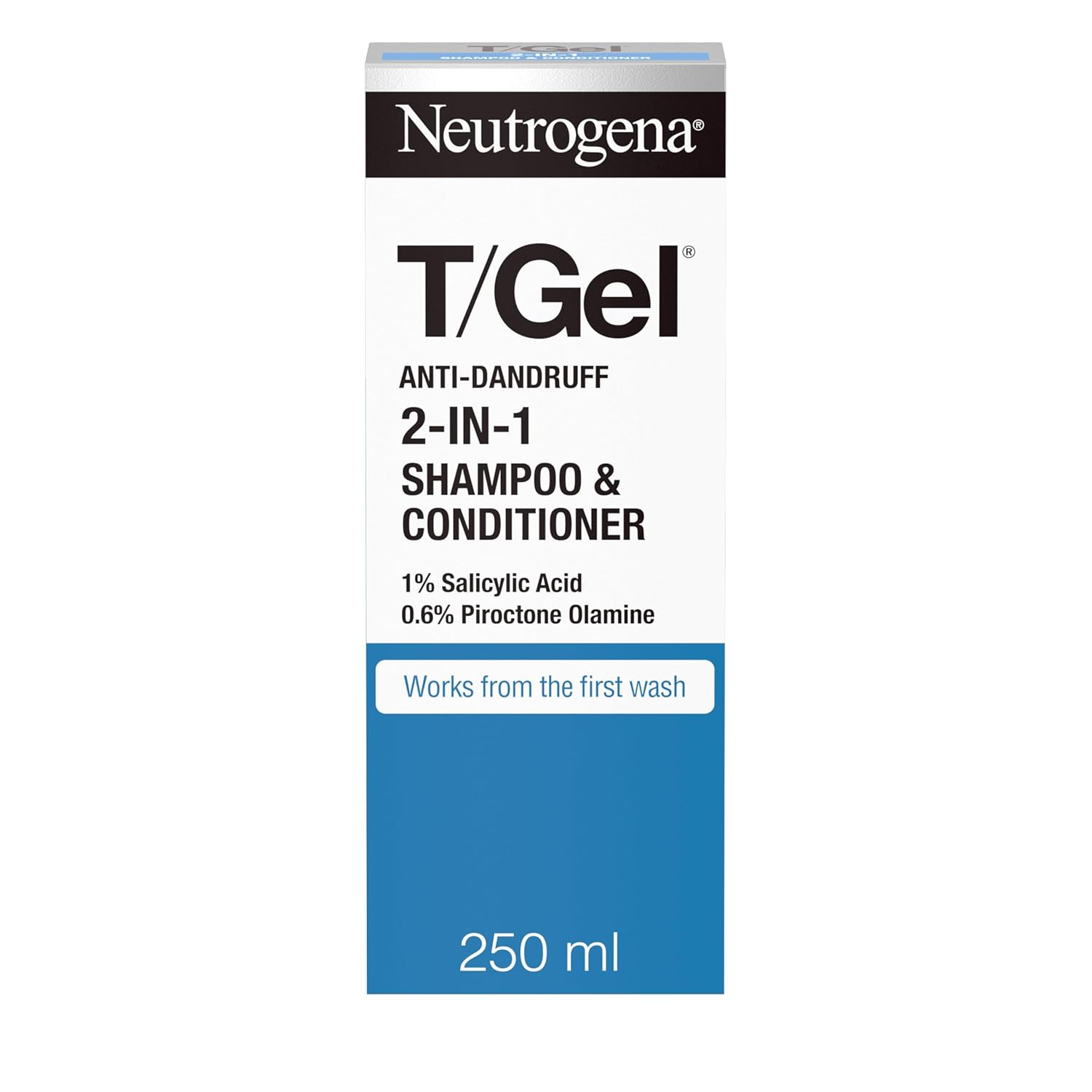
Look at your flakes before you buy anything: no redness and no grease means dry scalp, so go moisturising, not medicated. Mild itch with normal-looking skin means classic dandruff, so zinc pyrithione or piroctone olamine will do the job. Visible redness, greasy scale, or flaking beyond the scalp means seborrheic dermatitis, which usually needs a multi-active formula — and if that doesn't clear it in 4–6 weeks, it's time for a dermatologist rather than a stronger shampoo.